
Menu

Beatmatching, EQ, transitions and the judgement behind track selection — what a beginner DJ course covers, who teaches it, and what it costs after funding.
.webp)
Reads
4 min read


If you have been circling the idea of learning to DJ — watching someone work a room and wondering how much of it is skill and how much is the gear — this is what a course actually covers, and what you can expect to walk out able to do.
Our Sound Mixing course is built for people starting from nothing. No prior experience, no equipment of your own required.
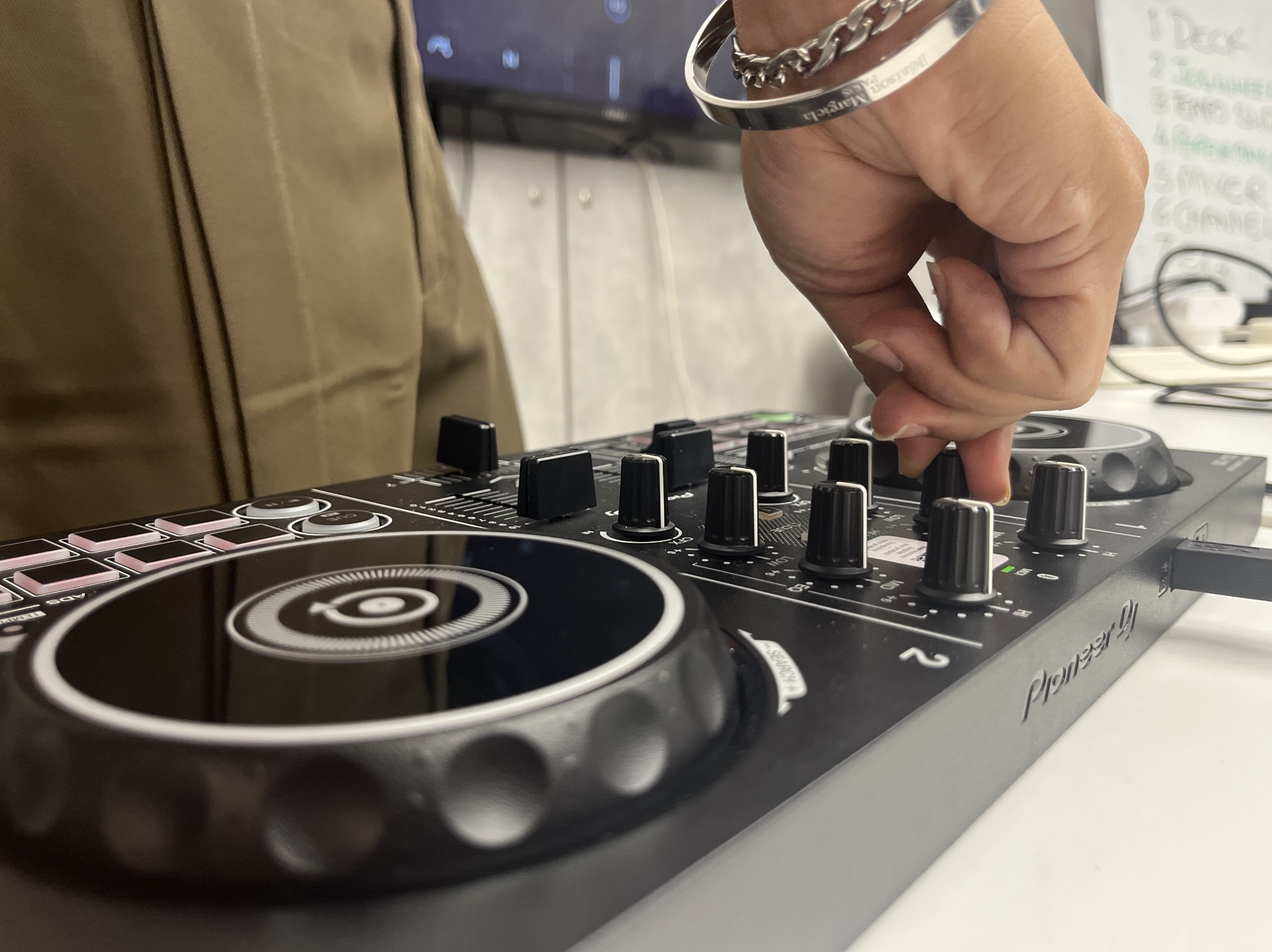
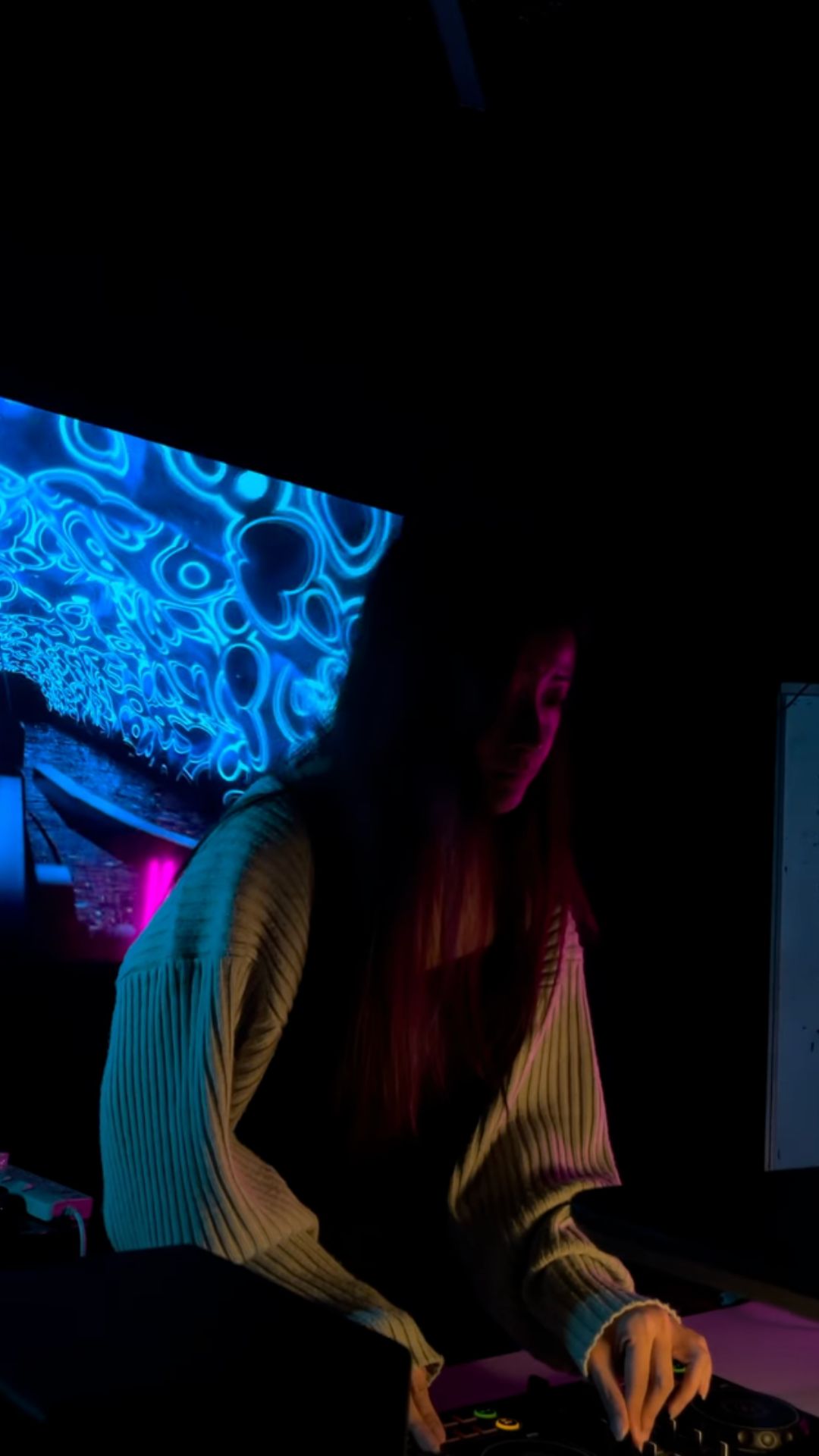
The first half is mechanical, and it is the part that separates a mix from a series of songs: reading a track's structure, beatmatching, using the EQ so two records share the same space without fighting each other, and moving between them without the crowd noticing the join.
The second half is judgement. Which record follows this one. When to lift the energy and when to hold it. How to read a room that is not responding and change course without it looking like a mistake.
You also cover the tools — controllers, the software most working DJs use, how to organise a library so you can find the right track in the four seconds you have to find it.
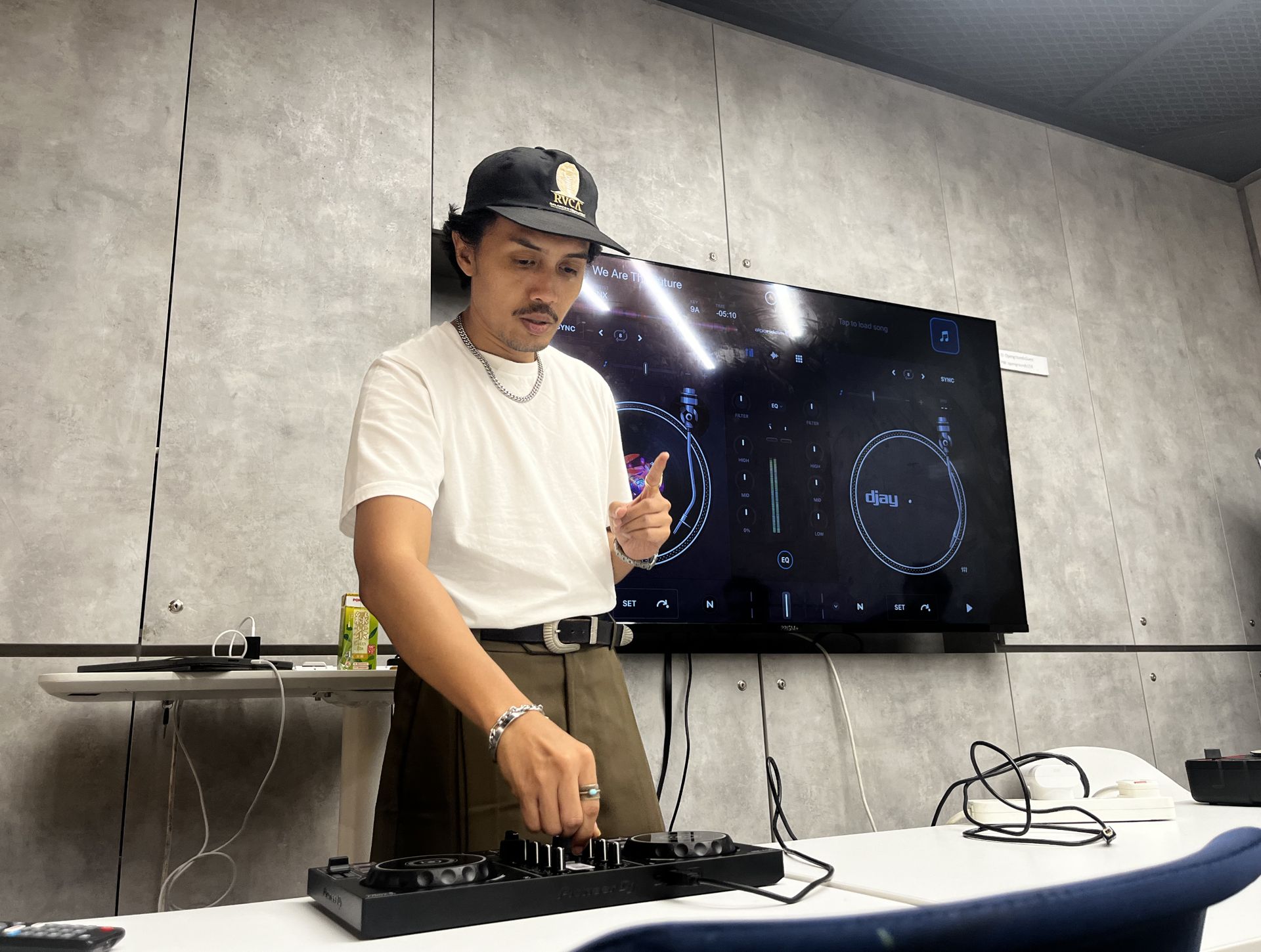
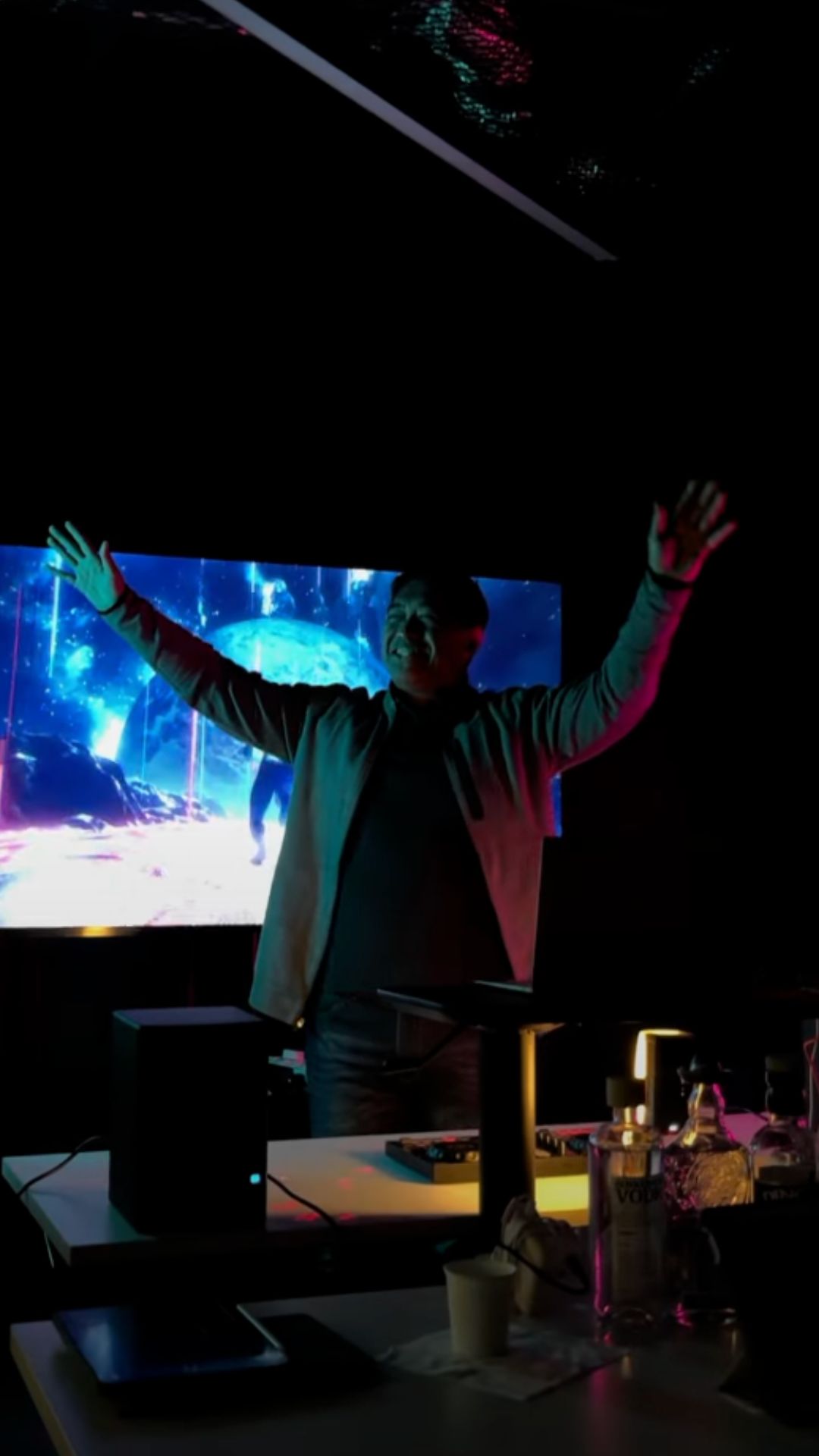
The course is taught by working DJs rather than by career instructors — people who play out and know what a set demands when the room is real. Our trainer DJ Tinc is one of them.
Beginners tend to spend on equipment and hope the equipment carries them. It does not. A controller with every feature will still produce a bad set in the hands of someone who cannot hear when two tracks are drifting apart, and a competent DJ can hold a floor on borrowed equipment.
The skills below the gear — timing, ear, track selection — are what transfer to every setup you will ever stand behind. That is what a course is for.
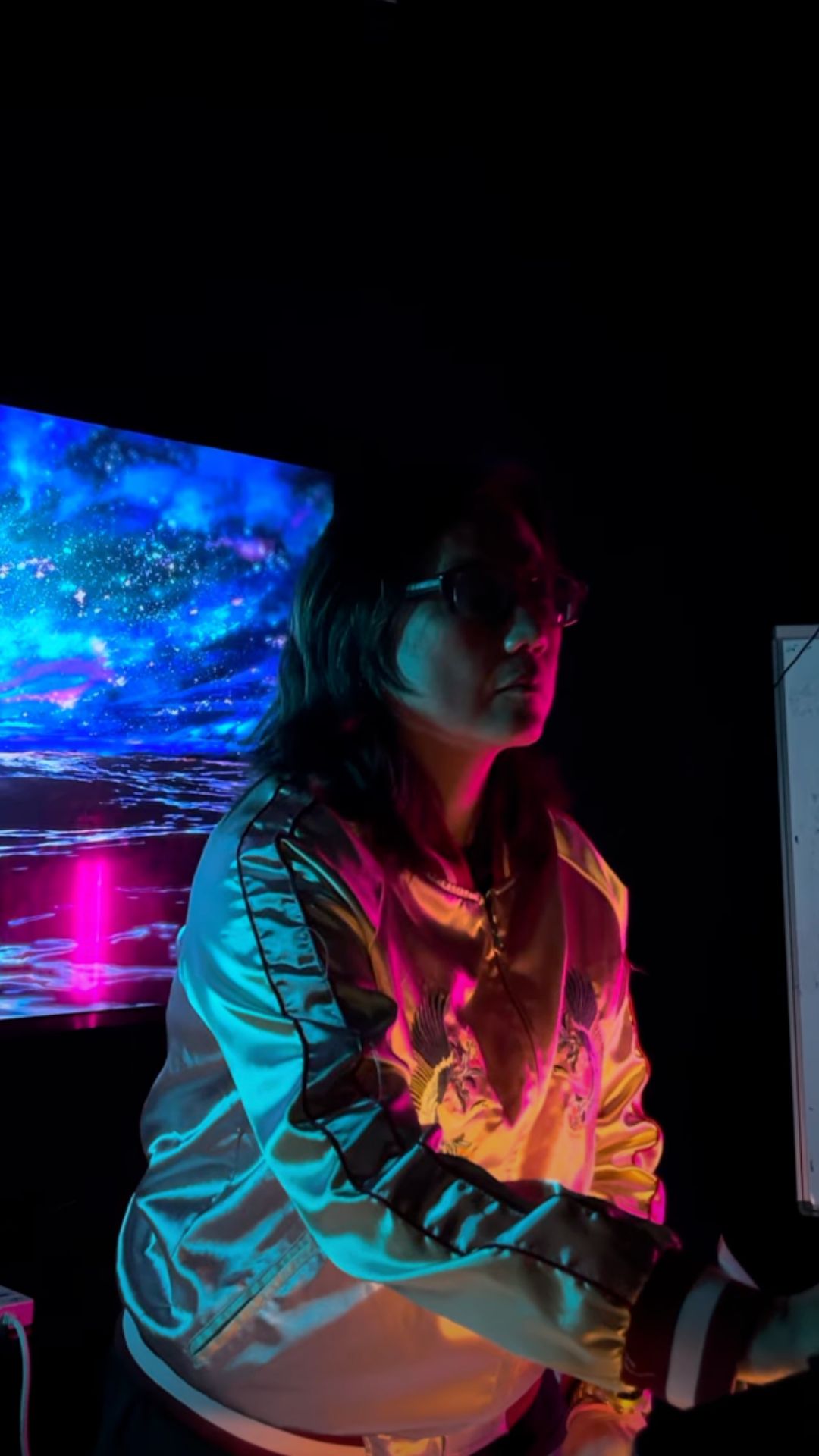
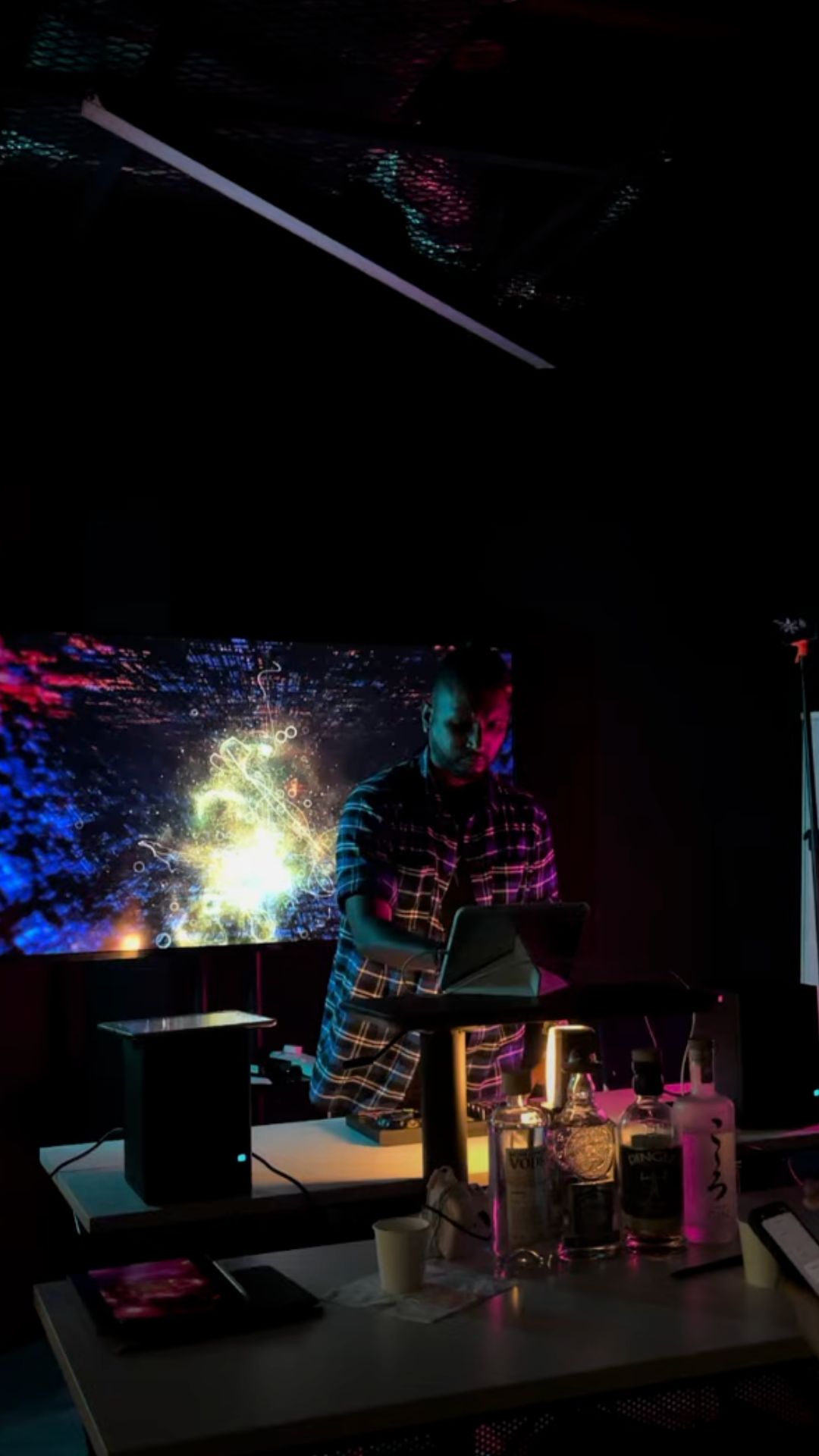
Some come in wanting a career, some want a side income from parties and weddings, and a good number simply want to be able to do it. All three are valid reasons to start, and they need the same foundation.

The course is SkillsFuture-eligible, which for most Singaporeans and PRs takes a substantial bite out of the fee before any credit is applied. You can put your SkillsFuture Credit towards the rest, and NTUC members can claim half of what remains through UTAP.
The funding calculator shows the exact figure for your situation.
You do not need to own anything to begin — equipment is provided in class, which is the sensible way to find out whether you enjoy this before spending on a controller of your own.
See the Sound Mixing course for dates and fees, or ask us through the chat on this page if you want to know whether it suits your level.

Discover how rewarding it is to mix music at any age.